
How to Prepare Your Vehicle for a Roadworthy Inspection
Preparing your vehicle for a roadworthy inspection can help you avoid delays, extra costs and failed checks.
A roadworthy inspection is designed to confirm that your vehicle meets basic safety standards for Australian roads.
It does not mean the vehicle is perfect, but it does mean key safety parts must be working properly. If you are selling, transferring or registering a vehicle, it is worth checking the basics before the inspection.
What Is a Roadworthy Inspection?
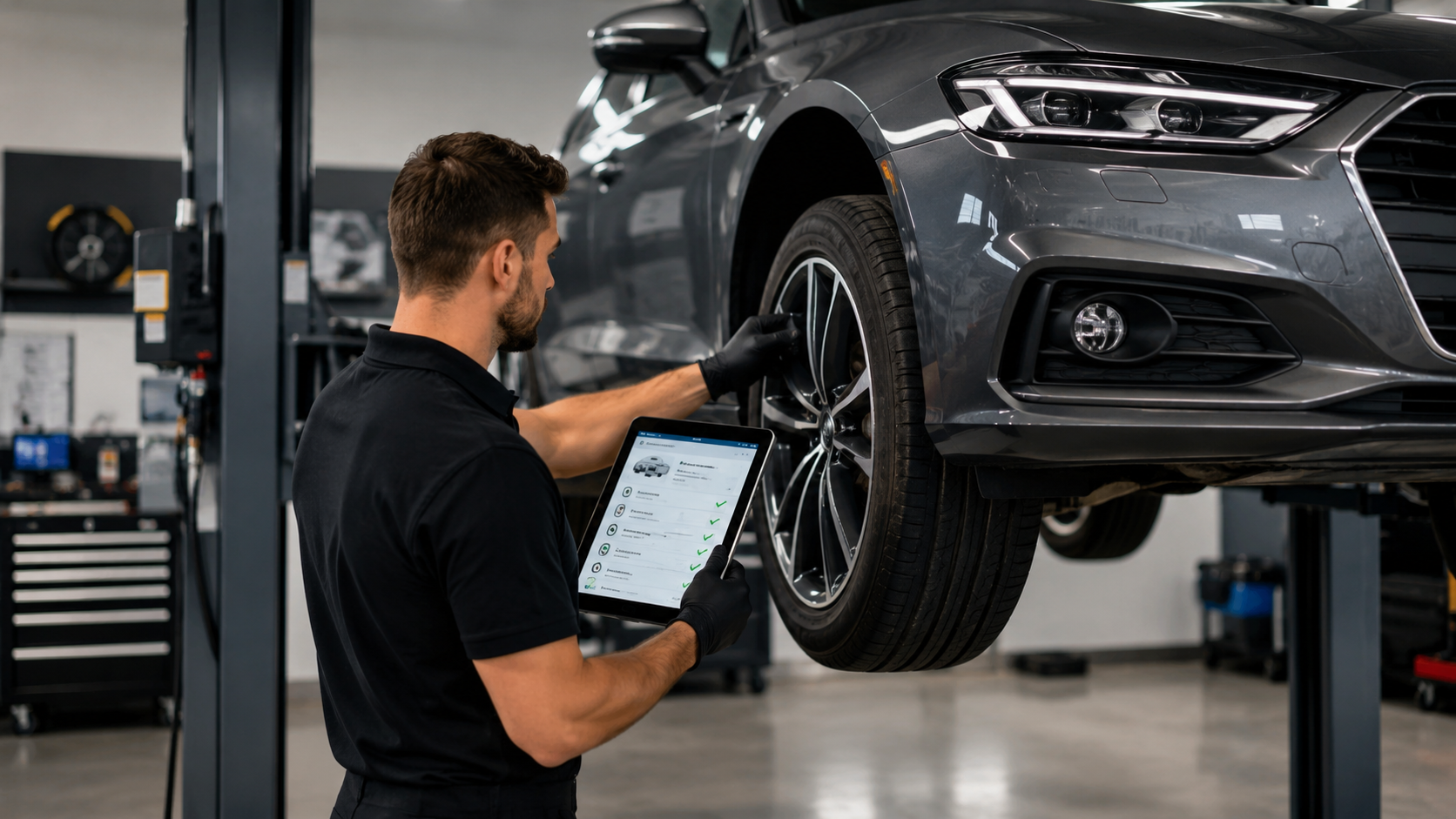
A roadworthy inspection checks whether your vehicle is safe enough to be driven on the road.
The inspection usually focuses on safety related parts such as:
• Brakes
• Tyres and wheels
• Steering
• Suspension
• Lights
• Windscreen and mirrors
• Seatbelts
• Vehicle structure
• Fluid leaks
The aim is to make sure the vehicle is safe for the driver, passengers and other road users.
Why Should You Prepare Before a Roadworthy Inspection?
Preparing early can help you fix simple problems before the inspection.
Small issues such as worn tyres, broken lights or poor wipers can lead to a failed inspection. These problems are often easy to notice before the vehicle is checked.
Getting ready beforehand may help you:
• Save time
• Avoid repeat inspections
• Reduce repair surprises
• Improve safety
• Feel more confident before the check
Check Your Tyres Before the Inspection
Tyres are one of the most important safety items on your vehicle.
Before the inspection, check that your tyres have enough tread and are not damaged. Look for cracks, bulges, uneven wear or exposed cords.
You should check:
• Tyre tread depth
• Tyre pressure
• Uneven wear
• Sidewall damage
• Spare tyre condition, if fitted
If your tyres look worn or unsafe, have them checked before booking your roadworthy inspection.
Make Sure Your Lights Are Working
Faulty lights are a common reason vehicles fail roadworthy inspections.
Ask someone to help you check all exterior lights, or park near a wall and test them yourself.
Check your:
• Headlights
• Brake lights
• Tail lights
• Indicators
• Reverse lights
• Number plate lights
• Hazard lights
Replace any blown globes before the inspection.
Test Your Brakes
Your brakes must work properly for your vehicle to be considered safe.
Pay attention to how the vehicle feels when braking. If the pedal feels soft, the car pulls to one side, or you hear grinding noises, the brakes should be checked before inspection.
Common warning signs include:
• Squealing or grinding
• Vibration when braking
• Soft or spongy brake pedal
• Longer stopping distance
• Brake warning light
Brake problems should never be ignored.
Check Steering and Suspension
Steering and suspension help keep your vehicle stable, smooth and easy to control.
If the vehicle feels loose, bouncy or unstable, it may need attention before the roadworthy inspection.
Look out for:
• Vehicle pulling to one side
• Clunking noises over bumps
• Steering wheel vibration
• Uneven tyre wear
• Excessive bouncing
• Poor handling
These signs may point to worn suspension or steering parts.
Inspect the Windscreen, Wipers and Mirrors
Good visibility is essential for safe driving.
Check that your windscreen is clear, your mirrors are secure, and your wipers clean the glass properly.
Before the inspection, check:
• Windscreen chips or cracks
• Wiper blade condition
• Washer fluid level
• Rear view mirror
• Side mirrors
• Window operation
Replace damaged wipers if they leave streaks or miss sections of the glass.
Check Seatbelts and Safety Features
Seatbelts must work correctly and should not be damaged.
Pull each seatbelt out fully and check for fraying, cuts or stiffness. Make sure they retract properly and click securely into place.
You should check:
• Seatbelt webbing
• Buckles
• Retraction
• Warning lights
• Airbag warning lights
If a safety warning light is showing, have it checked before inspection.
Look for Leaks Under the Vehicle
Fluid leaks can cause safety and mechanical concerns.
Before your roadworthy inspection, park the vehicle on a clean surface and check underneath after a few hours.
Look for signs of:
• Engine oil leaks
• Coolant leaks
• Brake fluid leaks
• Transmission fluid leaks
• Power steering fluid leaks
Some minor residue may not be serious, but active leaks should be inspected.
Listen for Unusual Noises
Unusual sounds can be early signs of mechanical problems.
Before the inspection, pay attention while driving, braking, turning and idling.
Watch for:
• Knocking sounds
• Grinding noises
• Squealing brakes
• Rattling from underneath
• Loud exhaust noise
• Ticking or tapping from the engine
If something sounds unusual, it is better to have it checked early.
Clean the Vehicle Before Inspection
A clean vehicle makes the inspection easier.
This does not mean the vehicle needs to be detailed, but the inspector should be able to clearly access and see important parts.
Before the appointment:
• Remove clutter from the cabin
• Clear the boot if access is needed
• Clean the windscreen
• Remove loose items
• Make sure number plates are visible
A tidy vehicle helps the process run smoothly.
Bring the Right Vehicle Details
Having the correct details ready can make the inspection faster.
Depending on your situation, you may need vehicle information such as registration details, service history or ownership documents.
It is useful to bring:
• Vehicle registration details
• Previous repair records
• Service history
• Any recent inspection notes
• Keys for all locks and compartments
This helps answer questions quickly if needed.
What Happens If Your Vehicle Fails?
If your vehicle fails a roadworthy inspection, it does not always mean the problem is major.
The inspector will usually explain what needs to be repaired before the vehicle can pass. Once the required items are fixed, the vehicle can be checked again.
Common reasons for failure include:
• Worn tyres
• Faulty lights
• Brake issues
• Suspension wear
• Windscreen damage
• Oil or coolant leaks
• Seatbelt faults
The best approach is to fix safety issues properly rather than rushing through repairs.
How Can Regular Servicing Help With Roadworthy Checks?
Regular servicing helps keep your vehicle safer and more prepared for inspection.
When a vehicle is maintained properly, safety issues are more likely to be found early. This can reduce the chance of unexpected problems during a roadworthy inspection.
Regular vehicle servicing can help with:
• Brake condition
• Tyre wear
• Steering response
• Suspension health
• Cooling system performance
• Engine reliability
• Warning light diagnosis
Preventative maintenance is usually easier and less stressful than urgent repairs.
Roadworthy Inspection Preparation Checklist
Before booking your roadworthy inspection, check these items:
• Tyres have good tread and no visible damage
• All lights work correctly
• Brakes feel firm and responsive
• Steering feels stable
• Suspension is not noisy or bouncy
• Windscreen is clear and safe
• Wipers clean properly
• Mirrors are secure
• Seatbelts work correctly
• No warning lights are showing
• No active fluid leaks are visible
• Vehicle is clean and accessible
This checklist can help you prepare with confidence.
Final Thoughts
Preparing your vehicle for a roadworthy inspection does not need to be complicated.
Start with the basics, check tyres, brakes, lights, steering, suspension, visibility and leaks. If something feels unsafe or unusual, have it inspected before your appointment.
A little preparation can help protect your safety, reduce delays and make the roadworthy inspection process much smoother.