
Why Regular Vehicle Servicing Important
Regular vehicle servicing helps prevent expensive repairs by finding small problems before they become major faults. Many costly repairs do not happen overnight. They usually start as minor wear, leaks, warning signs or missed maintenance.
When these early issues are ignored, they can place pressure on other parts of the vehicle and lead to bigger repair bills later. A good servicing routine keeps your vehicle safer, more reliable and easier to manage over time.
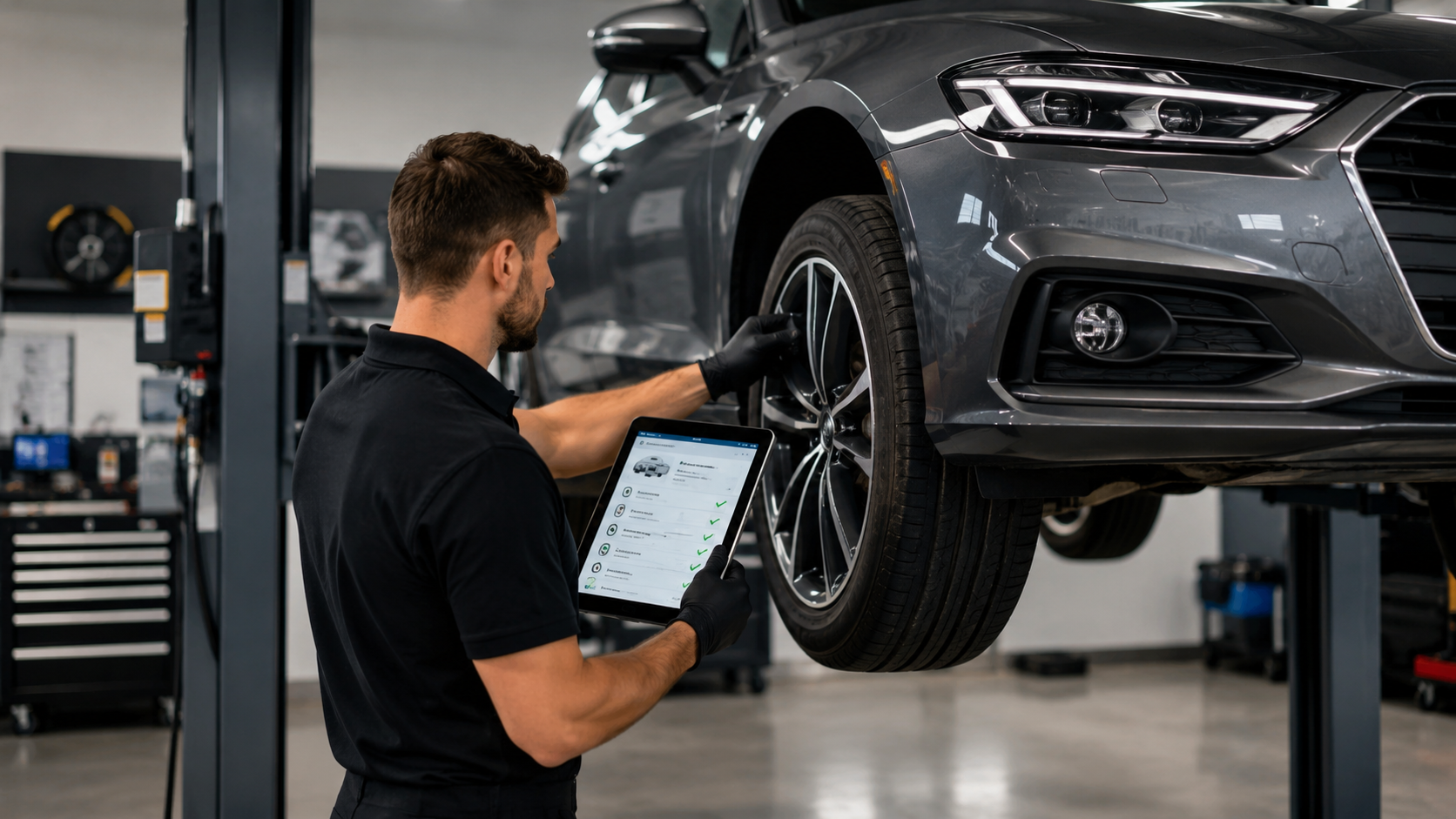
The Real Cost of Skipping Vehicle Servicing
Skipping servicing may feel like saving money in the short term, but it can cost much more later.
When a vehicle is not serviced on time, important parts can wear faster. Fluids can become dirty, filters can block, and small leaks can grow into serious faults.
Common problems caused by missed servicing include:
• Engine wear
• Poor fuel economy
• Brake damage
• Overheating
• Transmission issues
• Battery and electrical faults
• Suspension wear
• Unexpected breakdowns
Regular servicing is not just a routine task. It is a smart way to reduce risk.
Small Problems Often Become Expensive Repairs
Most major automotive repairs begin with small warning signs.
A small oil leak, worn belt, dirty filter or low fluid level may not seem urgent at first. Over time, these issues can damage more expensive parts.
For example:
• Low coolant can lead to overheating
• Dirty engine oil can increase engine wear
• Worn brake pads can damage brake discs
• Weak batteries can affect electrical systems
• Poor wheel alignment can wear tyres faster
Finding these issues early is one of the main reasons regular vehicle servicing matters.
How Servicing Protects the Engine
The engine is one of the most expensive parts of your vehicle to repair.
Regular servicing helps keep the engine clean, lubricated and protected. Engine oil, filters, coolant and belts all play a major role in keeping the engine healthy.
During servicing, key engine related checks may include:
• Engine oil condition
• Oil filter replacement
• Coolant level and condition
• Belt and hose condition
• Fluid leaks
• Warning lights
• General engine performance
Fresh oil and clean filters help reduce friction and wear. This can lower the risk of major engine repair later.
How Servicing Helps Avoid Brake Repairs
Brakes wear naturally with use, but regular checks help prevent more serious brake damage.
If brake pads are replaced early, they can protect other parts of the braking system. If they are ignored, they may damage discs, calipers or other safety components.
Brake servicing may help identify:
• Worn brake pads
• Damaged brake discs
• Brake fluid issues
• Uneven braking
• Squealing or grinding noises
• Reduced stopping performance
Good brake maintenance protects both safety and your budget.
Why Cooling System Checks Matter
The cooling system stops the engine from overheating.
If coolant leaks, a faulty hose, a damaged radiator or a failing water pump is ignored, the engine can overheat. Overheating can lead to very expensive engine damage.
A regular service can help check:
• Coolant levels
• Radiator condition
• Hose condition
• Coolant leaks
• Thermostat operation
• Water pump concerns
• Temperature warnings
Cooling system problems are often easier and cheaper to fix when caught early.
How Servicing Supports Transmission Health
Transmission repairs can be costly, especially in modern vehicles.
Regular servicing can help detect early warning signs such as rough shifting, fluid leaks or unusual noises. These signs should never be ignored.
Transmission related checks may include:
• Fluid condition
• Leaks
• Gear shifting behaviour
• Warning lights
• Drivetrain noises
• Vibration under load
Early inspection can reduce the chance of major transmission repair.
Servicing Helps Protect Tyres and Suspension
Tyres and suspension affect safety, comfort and vehicle handling.
Worn suspension parts can cause uneven tyre wear, poor road grip and an uncomfortable drive. Regular servicing helps identify these issues before they create larger problems.
Checks may include:
• Tyre wear patterns
• Suspension condition
• Steering response
• Wheel alignment concerns
• Shock absorber wear
• Loose or worn components
Keeping these systems in good condition helps your vehicle drive safely and smoothly.
Regular Servicing Can Improve Fuel Efficiency
A well maintained vehicle often uses fuel more efficiently.
When filters are clean, tyres are correctly inflated and the engine is running properly, the vehicle does not need to work as hard.
Poor servicing can lead to:
• Higher fuel use
• Slower performance
• Rough idling
• Reduced power
• More engine strain
Simple maintenance can make everyday driving smoother and more cost effective.
Why Warning Lights Should Not Be Ignored
Warning lights are your vehicle’s way of telling you something needs attention.
Some warning lights may be minor, while others can point to serious problems. Regular servicing and diagnostics help identify what is causing the warning light before the issue gets worse.
Common warning lights may relate to:
• Engine systems
• Brakes
• Battery and charging
• Coolant temperature
• Oil pressure
• Electrical systems
• Safety systems
Ignoring warning lights can lead to avoidable repair costs.
Servicing Helps Maintain Vehicle Value
A well maintained vehicle is usually easier to sell and may hold better value.
Buyers often look for a clear service history because it shows the vehicle has been cared for properly. This is especially important for European vehicles and higher value cars.
A strong service history can help show:
• Regular maintenance
• Better reliability
• Lower ownership risk
• Proper care over time
• Confidence for future buyers
Good servicing is not only about today. It also protects long term resale value.
Preventative Maintenance Is Cheaper Than Emergency Repairs
Preventative maintenance means fixing or managing issues before they fail.
Emergency repairs are often more expensive because they happen suddenly, may cause extra damage and can leave you without transport.
Preventative servicing helps reduce the risk of:
• Sudden breakdowns
• Towing costs
• Major mechanical damage
• Missed work or appointments
• Higher repair bills
• Stress and inconvenience
A planned service is usually far easier to manage than an unexpected failure.
Signs Your Vehicle May Need Servicing Soon
You should book a service if something feels different or unusual.
Common signs include:
• Warning lights on the dashboard
• Strange noises
• Reduced power
• Poor fuel economy
• Rough idling
• Vibrations
• Fluid leaks
• Overheating
• Braking issues
• Steering or suspension changes
The sooner these issues are checked, the better your chance of avoiding expensive repairs.
How Often Should You Service Your Vehicle?
Most vehicles should be serviced based on time, kilometres or the manufacturer’s service schedule.
Many vehicles need servicing every 12 months or at a set kilometre interval, but this can change depending on the make, model, age and driving conditions.
You may need more frequent checks if you:
• Drive long distances often
• Drive in stop start traffic
• Tow loads
• Own a European vehicle
• Drive in hot or harsh conditions
• Have an older vehicle
• Notice warning signs
Following the right service schedule helps protect reliability.
What Should Be Included in a Good Vehicle Service?
A good service should include more than a quick oil change.
It should involve proper checks, clear advice and maintenance based on your vehicle’s condition.
A quality vehicle service may include:
• Oil and filter replacement
• Fluid checks
• Brake inspection
• Tyre inspection
• Battery check
• Cooling system check
• Steering and suspension check
• Lights and safety checks
• Diagnostic scan where needed
• Clear service report
This helps you understand what is urgent, what is wearing and what can be planned for later.
Final Thoughts
Regular vehicle servicing is one of the best ways to prevent expensive repairs.
It helps find small issues early, protects major systems and keeps your vehicle safer and more reliable. While servicing has a cost, it is usually much less than the cost of major repairs caused by neglect.
If you want fewer surprises, better performance and stronger long term value, regular servicing is one of the smartest habits you can build.